Got High Triglycerides? Check out our New Decision Pathway from the American College of Cardiology

For decades, triglycerides (TGs) took the proverbial back seat in the lipid/lipoprotein hierarchy. In recent years, however, TGs have gained increasing traction as a bonafide and independent biomarker of cardiovascular risk based on a series of well conducted epidemiologic and genetic (Mendelian randomization) studies.
Earlier this month, the American College of Cardiology released a new document that systematically outlines a series of decision trees that clinicians and health care professionals might consider when treating patients with elevated TG levels. It was a great privilege to work with colleagues and “lipid luminaries” in an highly engaging effort spearheaded by Drs. Salim Virani and Pam Morris.
Listed below are some of the highlights of the document that can be accessed by clicking here.
- Lifestyle interventions should be initiated in adults with fasting triglyceride levels of 150 mg/dL or non-fasting triglycerides of 175 mg/dL or higher.
- Among lifestyle recommendations for treating high triglycerides, weight loss is among the most robust (10-20% reductions on average) with up to 70% reductions potentially achievable.
- Dietary recommendations to lower elevated triglyceride levels include switching from a low-fat, high carbohydrate diet to a higher-fat (predominantly mono/polyunsaturated) and low-carb diet (30-40% of calories).
- In men and women with the metabolic syndrome, a high protein/weight loss diet (greater than 25% of energy intake/500 calorie per day deficit) is associated with ~35% reduction in triglycerides.
- Physical activity and exercise may contribute up to a 30% reduction in triglyceride with both resistance training and aerobic activity contributing to these effects.
- Excess alcohol consumption, especially with pre-existing high triglyceride levels can precipitate pancreatitis.
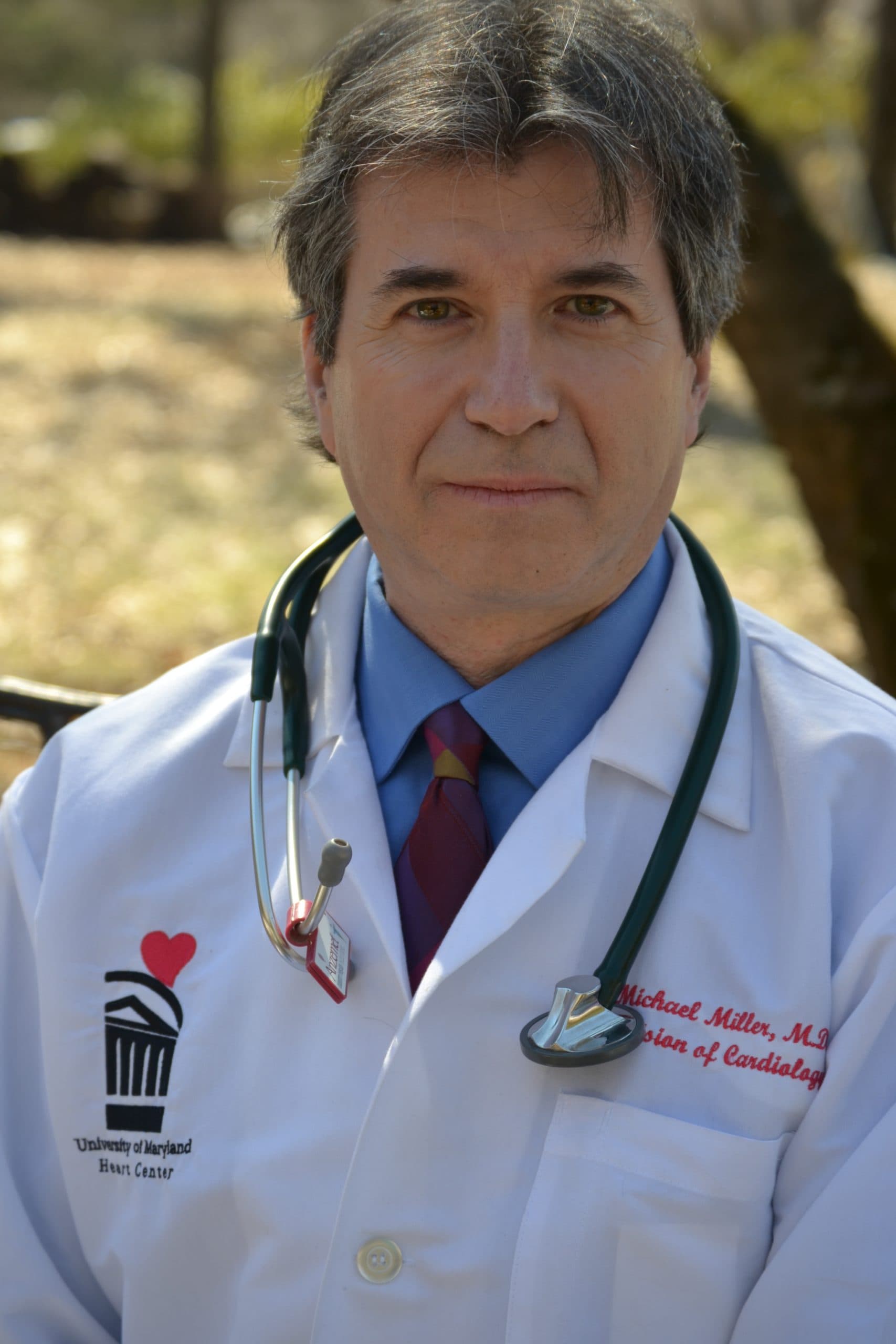
Michael Miller, MD
MASPC, FACC, FAHA, FNLA
Dr. Miller is a leading cardiologist and heart health expert whose pioneering research on positive emotions, diet, and physical activity supports the integration of all three modalities for optimal vascular health.