What is the New “Normal” When it Comes to Blood Pressure & Optimal Heart Health?

“Back in the day…” is the way I like to regale stories of my medical school experience with current students. In fact, just the other day I recalled that when I was a medical student, high blood pressure was defined by taking the age of the person and simply adding 100. In other words, a 60-year-old could have a systolic blood pressure up to 160 mmHg before many physicians would be concerned that it required treatment!
Fast forward a handful of decades later, and a systolic blood pressure of 160 mmHg is now considered very serious (Stage 2) and one that commonly requires multiple blood pressure medications in addition to a low sodium diet and healthier lifestyle. Yet many people with high blood pressure don’t appreciate the importance of following a low sodium diet. Back in the day, we permitted up to 4000 mg of sodium or ~1.5 teaspoons of salt daily (we called it a “no added salt” diet).
Today, if you are otherwise healthy, maintain a blood pressure of less than 120/80 and are younger than 50, it is reasonable to adjust your sodium intake ~2300 mg per day (1 teaspoon of salt). However, if you are at least 50 years old or have a history of hypertension, diabetes or kidney disease, the recommendation is to consume less than 1500 mg of sodium (~2/3 teaspoon of salt) daily.
Listed below summarize 4 key findings related to blood pressure:
- A normal blood pressure is less than 120 (systolic)/80 (diastolic) mmHg.
- High blood pressure causes blood vessels to constrict/stiffen and leads to “premature vascular aging”.
- For every 20 mmHg increase in systolic (or 10 mmHg increase in diastolic) blood pressure, the risk of a heart attack/stroke doubles!
- In addition to heart attack and stroke, other feared complications of long-standing hypertension include kidney failure and heart failure.
Over the coming week, check out the “HeartHealth Tip of the Day” on Twitter: @mmillermd1 or Facebook: “healyourheartbook” for additional information on this topic.
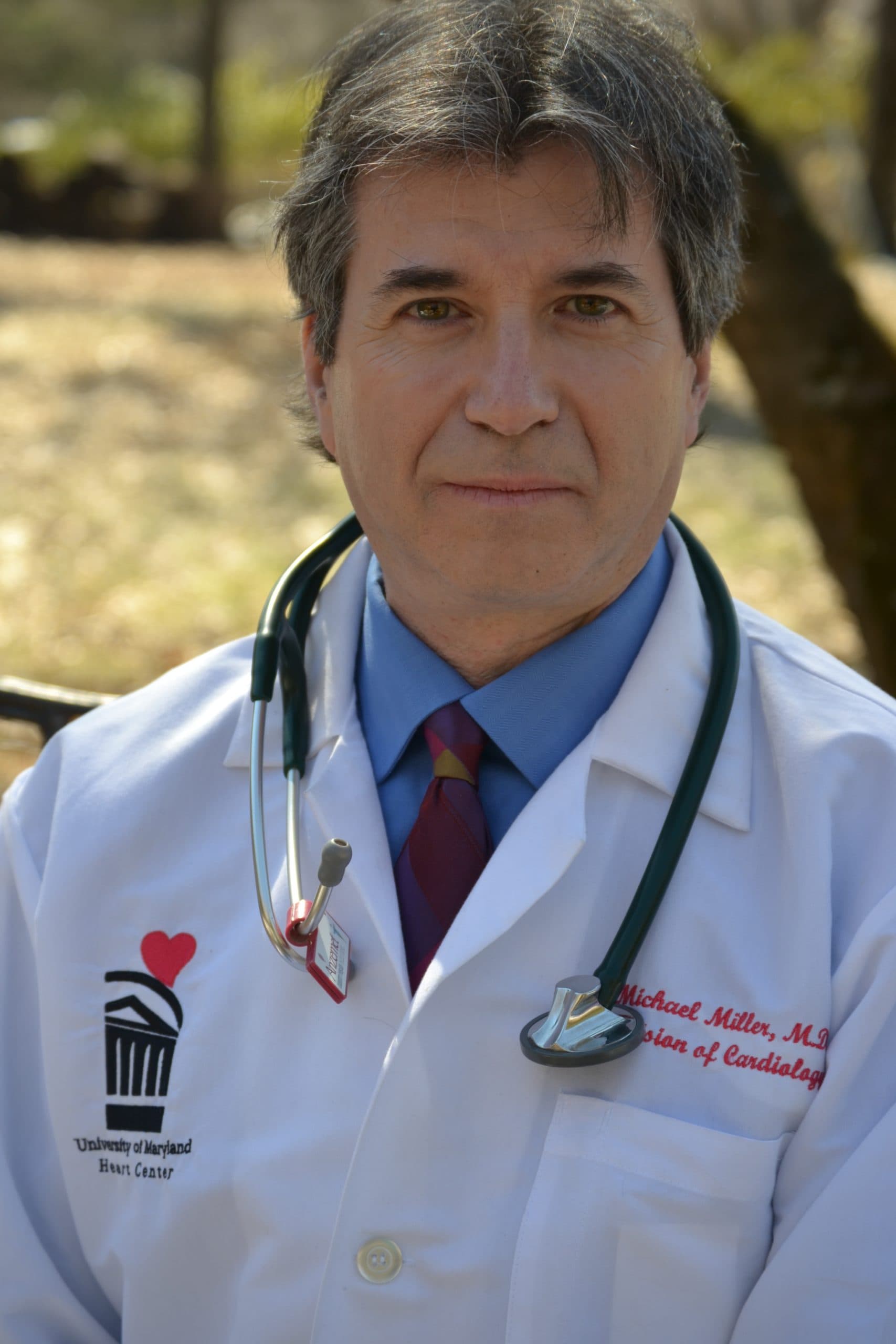
Michael Miller, MD is Professor of Cardiovascular Medicine at the University of Maryland School of Medicine in Baltimore, Maryland. For many more tips on how to optimize your heart health, check out his book, “Heal Your Heart…”: published by Penguin Random House.
Michael Miller, MD
MASPC, FACC, FAHA, FNLA
Dr. Miller is a leading cardiologist and heart health expert whose pioneering research on positive emotions, diet, and physical activity supports the integration of all three modalities for optimal vascular health.