What is the “Happy Heart Syndrome”?
A paper published this week in the European Heart Journal found that a very small group of people who were overcome with joy experienced temporary “stunning” of their heart, also known as takotsubo cardiomyopathy. Takotsubo is a Japanese term that means “octopus pot” to signify a large round bottom and narrow neck. Takotsubo cardiomyopathy was named for this unusual appearance of the heart that can occur after experiencing a severe episode of stress. The outpouring of the “fight or flight” chemicals (catecholamines) overwhelms the heart and reduces its ability to contract properly (hence the term,”broken heart syndrome”). Symptoms commonly include shortness of breath and chest discomfort and the condition may be confused with a heart attack. Anyone suspected of having “broken heart syndrome” requires hospitalization with heart monitoring and supportive treatment as required.
The new study reported on 1750 men and women all of whom developed takotsubo cardiomyopathy. Of these, an emotional trigger was identified in 485 patients and 96% of these patients experienced overwhelming (negative) stress such as death of a loved one. The remaining 20 patients, who were primarily postmenopausal women, developed this condition after experiencing an episode of extreme joy such as a wedding, birth of a grandchild, etc. So what should we make of this new syndrome?
First the good news is that takotsubo cardiomyopathy, if properly diagnosed, is virtually always reversible though it may take up to several months for heart function to return to normal. Overall, it is a rare condition with less than 5% of all cases resulting from an overwhelming joyful experience. It would interesting to explore the extent to which these 20 individuals had positive emotional experiences on a regular basis. My suspicion is that they did not and as a result were unable to “biochemically adapt” to the joyful experiences that would have left most of us feeling great.
The bottom line: if we prime our hearts with happy experiences and laugh on a regular basis, we ought to be immune from ever developing the “Happy Heart Syndrome”.
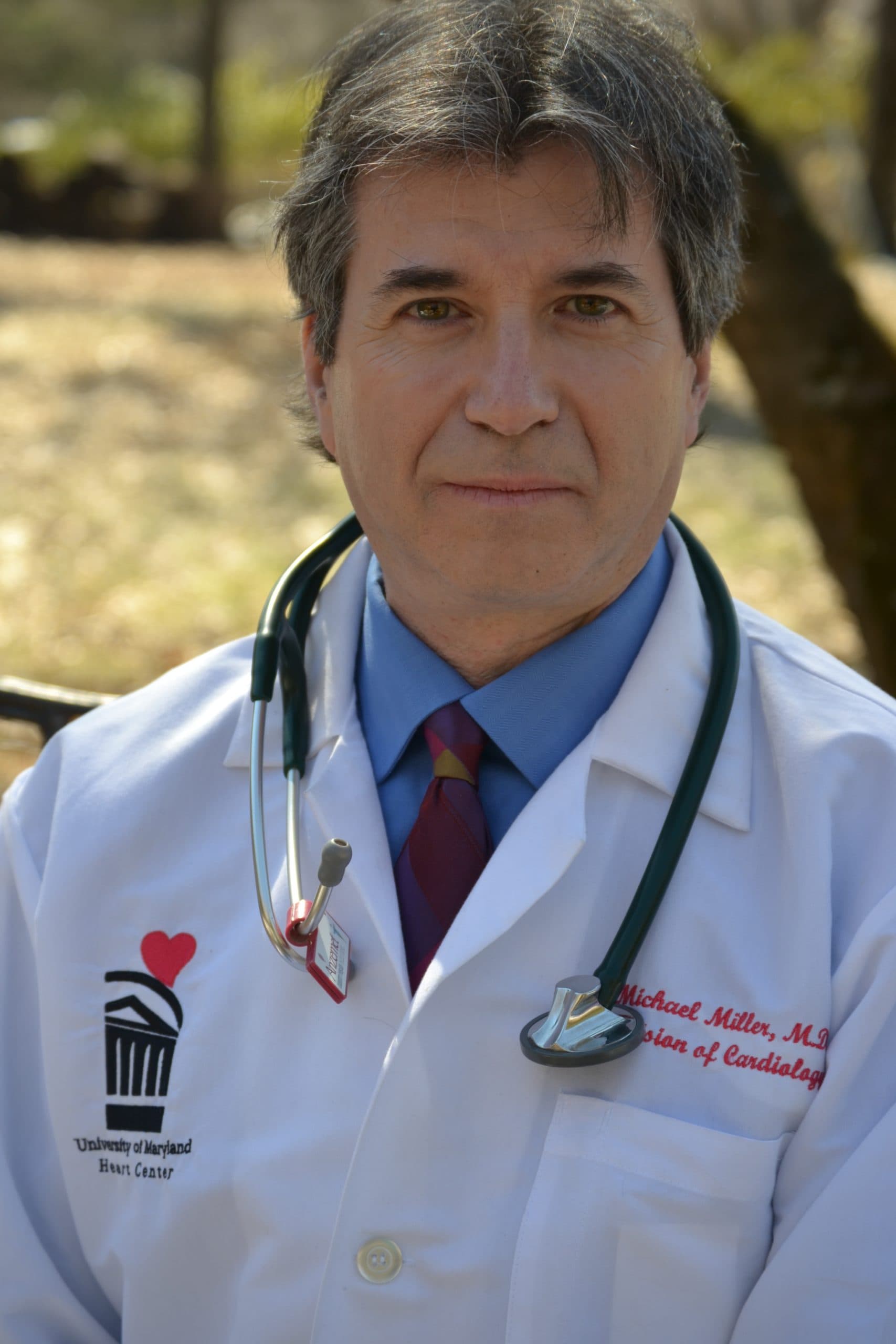
Michael Miller, MD
MASPC, FACC, FAHA, FNLA
Dr. Miller is a leading cardiologist and heart health expert whose pioneering research on positive emotions, diet, and physical activity supports the integration of all three modalities for optimal vascular health.