What Aspirin Dose to Reduce Risk of Heart Disease?

We’ve been prescribing aspirin for many years to reduce the risk of heart disease and a commonly recommended dose is 1 baby aspirin (81 mg) daily. This dose is much lower than the adult size (325 mg) used as an uncoated (chewable) form if a heart attack is suspected. However, a new study suggests that the effectiveness of aspirin may be largely based on body weight. The study examined results from 10 clinical trials and included more than 115,000 volunteers. The results found that men and women who weighed less than 70 kg (or 154 pounds) had an approximate 25% lower risk of heart disease, stroke or cardiovascular death than no aspirin treatment; however, weighing more than 70 kg did not confer benefit unless the aspirin dose was adult size (325 mg).
Unfortunately, another commonly used amount, 1/2 adult aspirin (162 mg) was not tested. With respect to cancer risk, the baby aspirin dose was also associated with a 36% reduced risk of colon cancer in volunteers who weighed less than 70 kg but was of no benefit in those with higher weights.
Bottom Line: This is an interesting observational study though it does not prove cause and effect. If you are at increased risk of heart disease, please speak with your physician and determine 1) whether you are a candidate for aspirin therapy and 2) if so, what may be the most suitable aspirin dose for you.
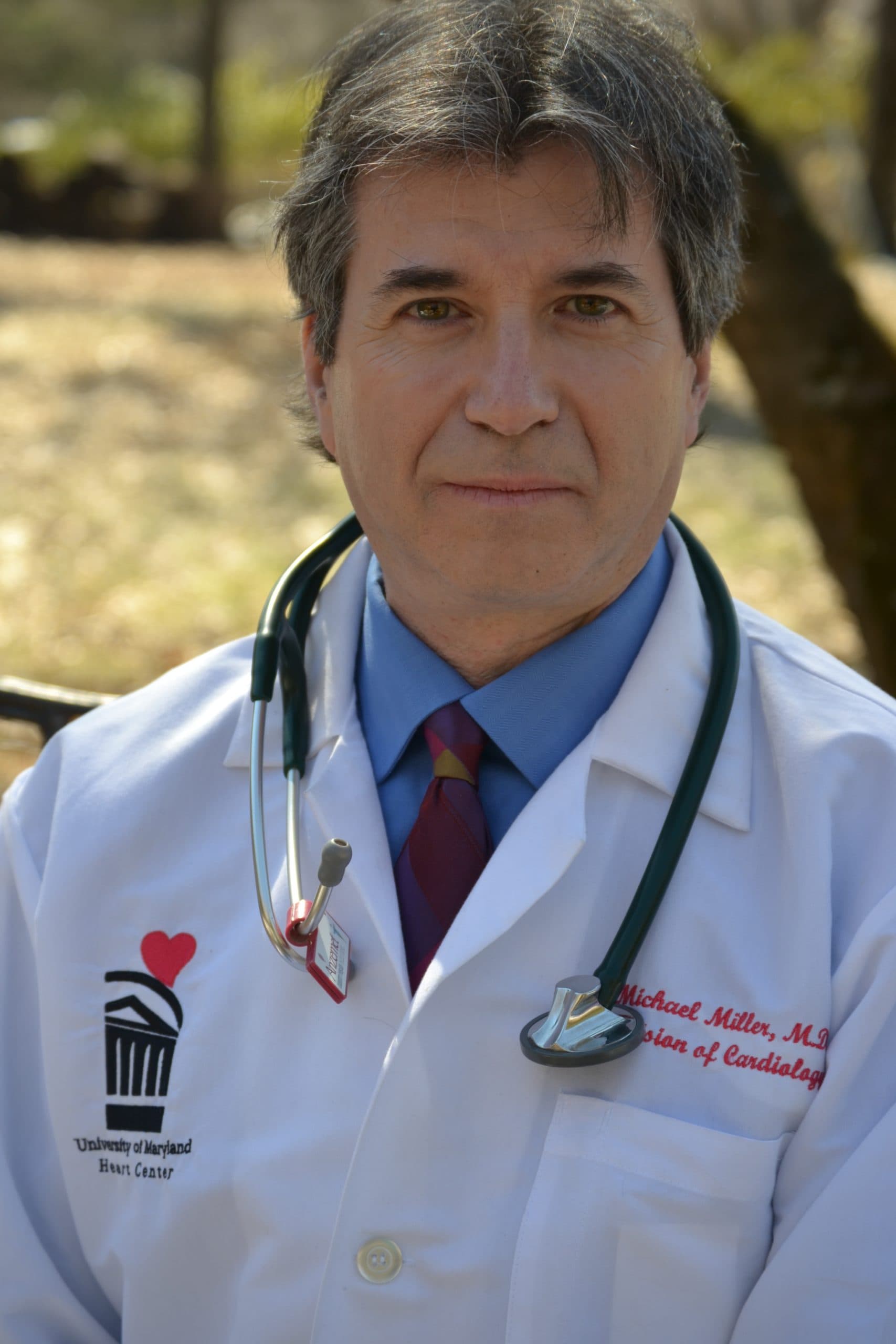
Michael Miller, MD is Professor of Cardiovascular Medicine at the University of Maryland School of Medicine in Baltimore, Maryland USA. He is a member of the American Heart Association Council on Lifestyle and Cardiometabolic Health. His latest book is “Heal Your Heart: The Positive Emotions Prescription to Prevent & Reverse Heart Disease“.
Michael Miller, MD
MASPC, FACC, FAHA, FNLA
Dr. Miller is a leading cardiologist and heart health expert whose pioneering research on positive emotions, diet, and physical activity supports the integration of all three modalities for optimal vascular health.