The Surprising Truth about Statins

This past week the American Heart Association released a Scientific Statement on the safety of statins, chaired by Dr. Connie Newman. Serving as a co-author with a number of my colleagues, our task was to thoroughly review all the scientific evidence dating back several decades when statins were first introduced to treat high cholesterol. Over this period, there is no question that statins have revolutionized the practice of medicine by consistently demonstrating benefit in women and men at increased cardiovascular risk. But a lingering concern has been the extent to which statins may be harmful. After all, a number of books have suggested that statins are harmful…to this day, I have patients who refuse to take a statin because they believe it will cause their liver to fail, cause diabetes and cause cataracts! If any of this were true, do you really believe that physicians would prescribe this medication? Of course not! The evidence is clear- if you have a normal liver, a normal fasting glucose level (less than 100 mg/dL) and normal eye function, statins will not cause any of these problems.
That is not to say that everyone prescribed a statin can tolerate it without any difficulty. While our statement indicates that the vast majority taking statins have no problems, some will encounter statin-associated muscle symptoms (SAMS). Listed below are some of the tell-tale signs associated with SAMS.
- SAMS occurs on both sides of the body. For example, if your left but not right knee aches, it is not due to the statin.
- SAMS is most likely to affect large and proximal muscle groups. For example, shoulders and thighs rather than hands and feet are more likely to be related to a statin.
- SAMS is most likely to occur in predisposed individuals. For example, older women with small muscle mass and/or impairment in kidneys and thyroid function raises risk.
- SAMS recedes when the statin is discontinued. If you believe that you are experiencing SAMS, contact your physician to discuss appropriate steps to be taken. Symptoms generally recede within days of statin discontinuation. Sometimes, a different statin may be better tolerated. Some “tricks-of-the trade” that I’ve successfully used for my patients can be found in “Heal Your Heart“.
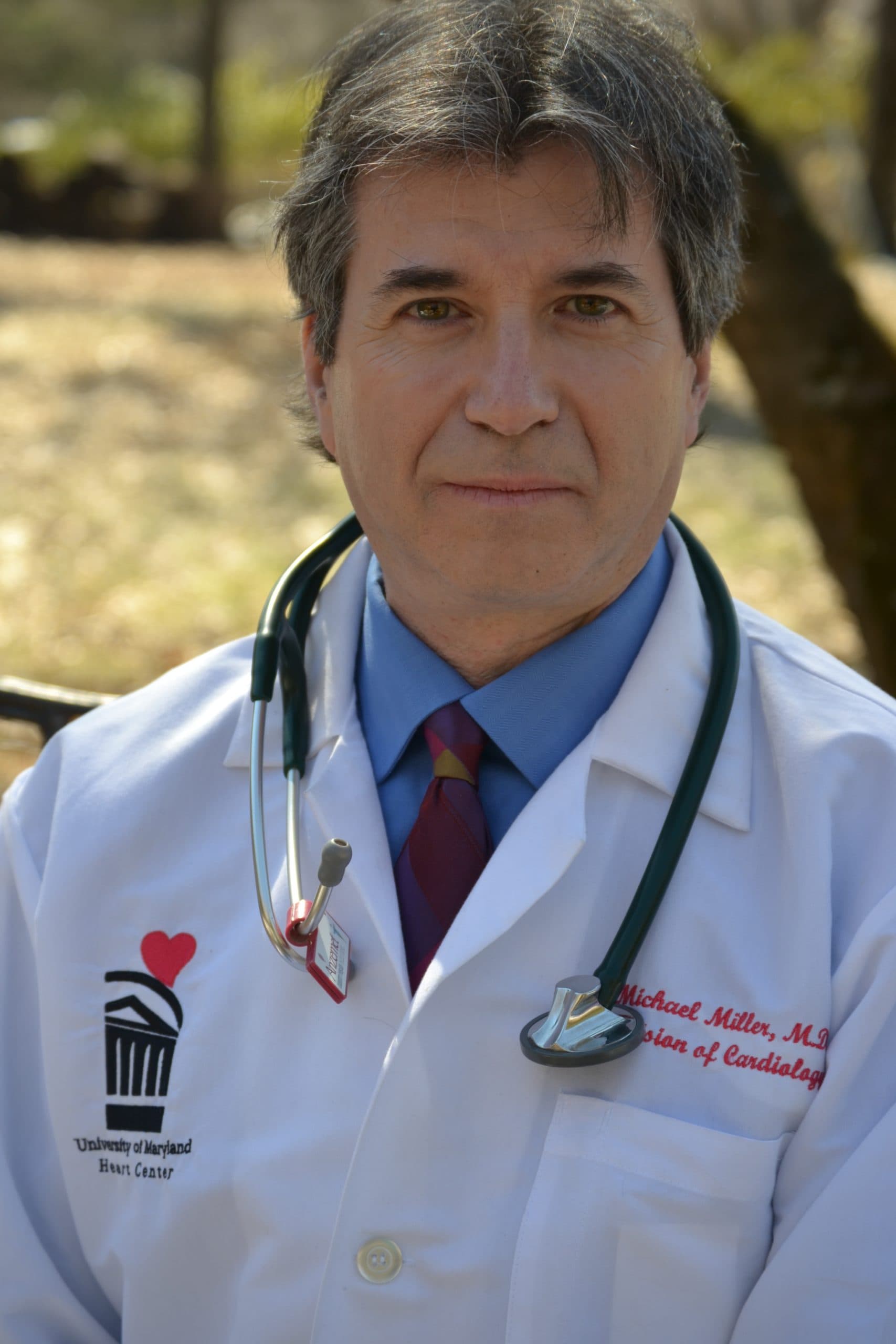
Michael Miller, MD is a cardiologist and Professor of Medicine, Epidemiology & Public Health at the University of Maryland School of Medicine in Baltimore, Maryland USA. He is Chair of the American Heart Association, Arteriosclerosis, Thrombosis & Vascular Biology Council on Clinical Lipidology.
Michael Miller, MD
MASPC, FACC, FAHA, FNLA
Dr. Miller is a leading cardiologist and heart health expert whose pioneering research on positive emotions, diet, and physical activity supports the integration of all three modalities for optimal vascular health.