Food 4 Thought: Sat Fat & Your Gut


Together with my colleague, Dr. Stanley Hazen, a pioneer in studying the relationship between the gut and heart, our team recently published a paper showing for the first time that a diet high in saturated (Sat) fat produces more unhealthy gut byproducts that a predominantly plant-based diet . Sat fat sources include animal fats (red & processed meats), fried foods and dairy products. For more information on this paper click here.
In this study, we randomly assigned men and women to 3 different diets. One diet was high in Sat Fat modeled after the Atkins Diet, the 2nd diet was a Mediterranean Diet resembling the South Beach Diet and the third was the low-fat, predominantly plant based, Ornish Diet. Each volunteer participated in all 3 dietary phases with each diet lasting 4 weeks. At the beginning of the study and end of each diet phase, blood samples were collected. Our results indicated the following:
- Levels of the gut byproduct known as “TMAO” were highest after the high Sat Fat (Atkins diet) and lowest after the low fat, primary plant-based (Ornish) diet.
- Two amino acids (valine and leucine) were also highest after the Sat Fat diet compared to the other 2 diet phases.
- High levels of TMAO and the 2 amino acids listed are linked to increased risk of heart related issues.
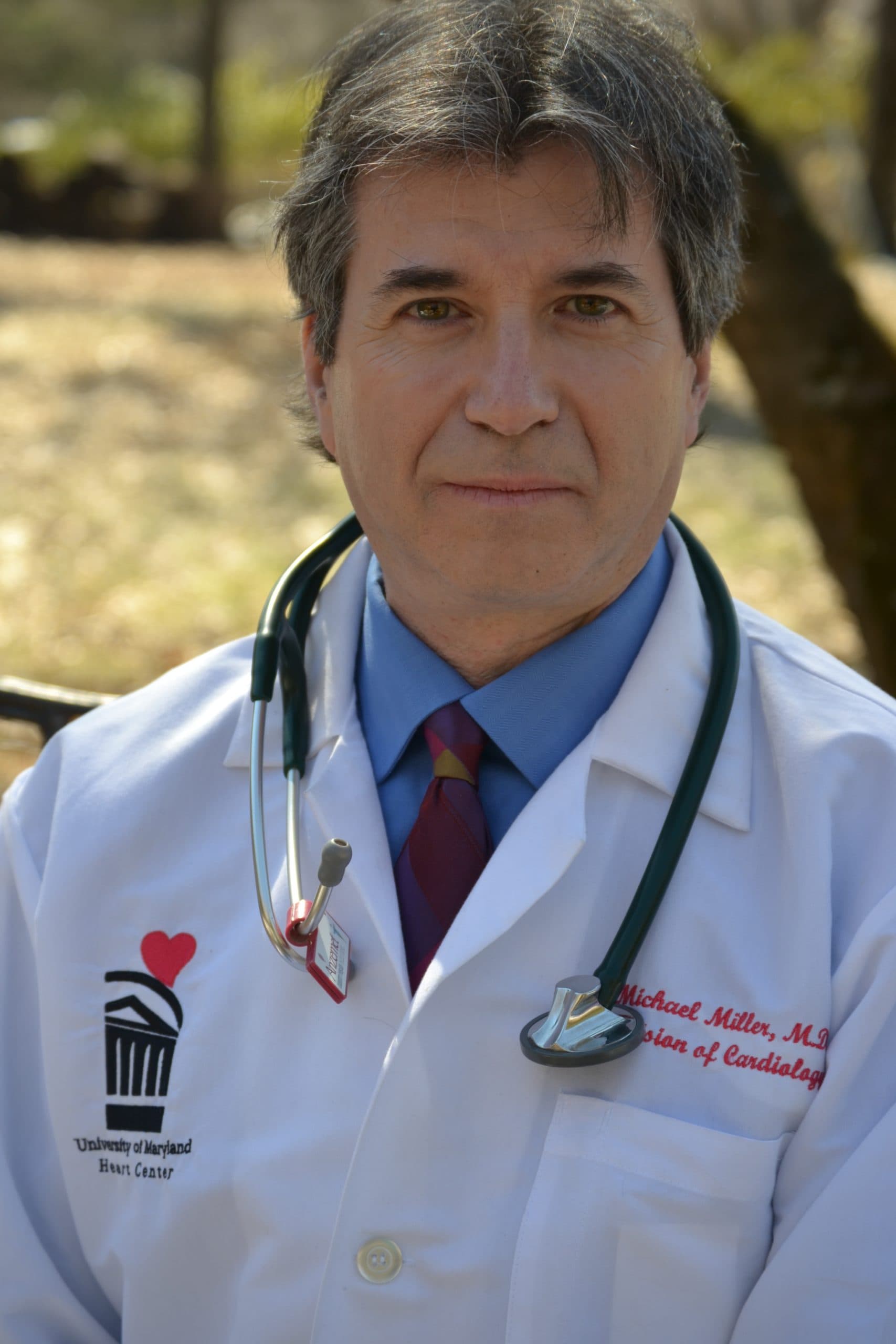
- The bottom line: Substitute plant-based foods low in Sat Fat for animal products high in Sat (& Trans) Fats- Your heart & gut will thank you! Michael Miller, MD is author of “Heal Your Heart: The Positive Emotions Prescription to Prevent & Reverse Heart Disease” & Professor of Cardiovascular Medicine at the University of Maryland School of Medicine in Baltimore, Maryland USA.
Michael Miller, MD
MASPC, FACC, FAHA, FNLA
Dr. Miller is a leading cardiologist and heart health expert whose pioneering research on positive emotions, diet, and physical activity supports the integration of all three modalities for optimal vascular health.