Broken Ankle? Five Science-Backed Tips That Helped Speed My Recovery


Until this spring, I had never broken a bone.
That changed after a nasty fall in late May left me with a fractured right ankle, a Weber B fibular fracture. At the emergency department, my ankle was placed in a cast, and surgery was recommended.
Fortunately, my wife, a retired podiatrist with decades of experience treating foot and ankle injuries, believed my fracture was well suited for a non-surgical approach. Recent studies have shown that for carefully selected stable Weber B fractures, early weight-bearing in a walking boot can produce outcomes comparable to surgery while avoiding potential surgical complications such as infection.
Three days later, after evaluation by the orthopedic team, my cast was removed and replaced with a weight-bearing boot.
I was told to expect 6–8 weeks in the boot, followed by several weeks in an ankle brace and then physical therapy. Like most patients, I wondered if there was anything I could safely do to help my body heal more efficiently.
With guidance from my wife and orthopedic team, I followed a structured recovery plan. My fracture healed in just five weeks, allowing me to transition from the boot to an ankle brace after 2½ weeks and then to a compression wrap after my five-week follow-up X-ray confirmed complete healing.
Every fracture is different, and this approach won’t be appropriate for everyone. Always follow your orthopedic surgeon’s recommendations. That said, here are 5 strategies that I believe made a meaningful difference in my recovery.
1. Gradually Increase Your Walking
One of the biggest surprises was learning that appropriate weight-bearing actually helps bone heal. Mechanical loading stimulates bone-forming cells (osteoblasts), encouraging new bone growth.
After receiving my walking boot, I started slowly.
- Day 1: about 300 steps using two crutches
- Increased by roughly 300 steps each day
- End of Week 1: approximately 2,100 steps
- End of Week 2: about 4,500 steps using one crutch
- Week 5: more than 10,000 steps daily without crutches
The key is to increase activity gradually while avoiding pain or excessive swelling. Walking on flat, even surfaces made progression much easier.
2. Elevate Your Leg Whenever You’re Resting
Swelling is one of the biggest obstacles after an ankle fracture.
During the first couple of weeks, bleeding and inflammation around the fracture are normal. Because the ankle is below the level of the heart for much of the day, fluid tends to accumulate.
Whenever I wasn’t walking, I elevated my leg above heart level. At night, I slept with my leg supported on two to three pillows.
I’ll admit that sleeping on my back wasn’t my favorite part of recovery, but keeping the swelling under control made a noticeable difference in comfort and mobility.
3. Keep Your Toes and Ankle Moving
Even while wearing the boot, gentle movement is important.
Several times a day, I performed:
- 20 toe curls and extensions
- 20 ankle pumps (pointing the foot up and down)
These simple exercises help maintain circulation, activate the muscles of the foot and calf, reduce stiffness, and may lower the risk of blood clots.
One important caution: avoid turning the foot inward or outward (inversion or eversion) until your orthopedic specialist tells you it’s safe. Those motions place stress on the healing fibula and are best avoided early in recovery.
4. Give Your Bones the Nutrients They Need
Healing bone requires the right building blocks.
With my physician’s approval, I took:
- Vitamin D3: 5,000 IU daily
- Calcium citrate: 500 mg twice daily
- Magnesium citrate: 400 mg daily
- Vitamin C: 500 mg daily
Vitamin D improves calcium absorption, calcium provides the raw material for new bone, magnesium supports normal bone metabolism, and vitamin C plays an important role in collagen formation.
If you’re considering supplements, talk with your healthcare provider first, especially if you have kidney disease or other medical conditions.
5. Don’t Underestimate the Power of a Positive Attitude
Recovery isn’t just physical…it’s mental.
Stress increases cortisol, a hormone that can interfere with normal tissue repair and amplify inflammation. While positive thinking won’t heal a fracture by itself, maintaining an optimistic outlook may help reduce stress, improve motivation, and keep you engaged in your rehabilitation.
I found it helpful to set small, achievable goals each week. Having a bigger goal also kept me motivated: a long-planned trip to Lisbon, famous for its beautiful—but notoriously uneven—limestone cobblestone streets and steep hills.
I’m looking forward to putting my ankle to the test!
The Bottom Line
Most fractures simply need time to heal, but there are steps you can take to help your body recover as efficiently as possible.
For me, the combination of gradual weight-bearing, controlling swelling, maintaining gentle movement, supporting bone health with proper nutrition, and staying positive made all the difference.
If you’re recovering from a stable ankle fracture, work closely with your orthopedic team, be patient with the process, and celebrate each milestone along the way.
Sometimes the shortest path back to health really does begin with one careful step at a time.
Disclaimer: This article describes my personal experience recovering from a stable Weber B ankle fracture that was treated without surgery under the guidance of my orthopedic team. Every fracture is different. The recommendations that were appropriate for me may not be appropriate for others, depending on the type of fracture, its stability, your overall health, and other medical conditions. Always follow the advice of your orthopedic surgeon or healthcare professional before beginning or modifying any rehabilitation program, exercise routine, or supplement regimen.
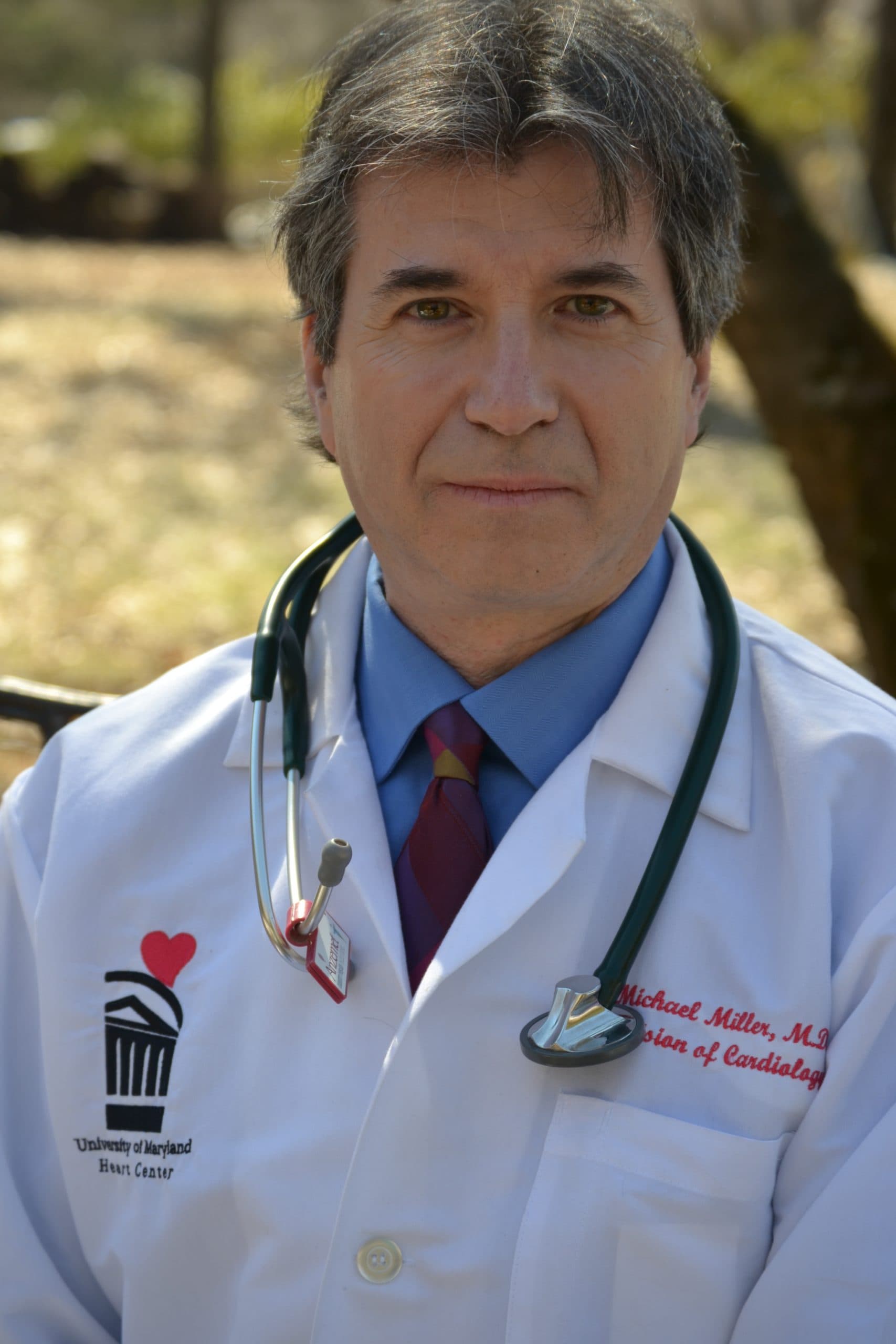
Michael Miller, MD, MASPC, FACC, FAHA, FNLA is Cardiologist and Professor of Medicine, Hospital of the University of Pennsylvania. He is also Chief of Medicine, Corporal Michael J Crescenz VAMC (Philadelphia).
Prior to moving to Philadelphia in 2022, Dr. Miller served as Professor of Cardiovascular Medicine at the University of Maryland School of Medicine (Baltimore). Check out Dr. Miller’s best selling book “Heal Your Heart” and learn more at www.drmichaelmiller.net
Michael Miller, MD
MASPC, FACC, FAHA, FNLA
Dr. Miller is a leading cardiologist and heart health expert whose pioneering research on positive emotions, diet, and physical activity supports the integration of all three modalities for optimal vascular health.